Overview
An influencer is a person who builds an audience on social media and influences people's opinions, interests, or purchasing decisions through content and trust.
Influencers create content on platforms like Instagram, YouTube, Facebook, and LinkedIn. They recommend products, share experiences, and help brands connect with potential customers.
In 2026, becoming an influencer isn't limited to celebrities. Even creators with smaller audiences can earn through brand collaborations, affiliate marketing, and sponsored content.
This guide explains what influencers do, their types, earning opportunities, and how beginners and brands can benefit from influencer marketing.
What Is an Influencer?
An influencer is someone who has established credibility in a particular niche and can influence their audience's decisions.
Unlike traditional celebrities, social media influencers often build personal connections through regular content and audience interactions.
Examples include:
- Fashion influencers: Share outfit ideas and styling tips.
- Beauty influencers: Review skincare and makeup products.
- Fitness influencers: Create workout and wellness content.
- Tech influencers: Review smartphones and gadgets.
- Food influencers: Recommend restaurants and recipes.
An influencer's success depends on audience trust, engagement, and content quality, not just follower count.
Types of Influencers Based on Followers
Influencers are generally divided into four categories.
Influencer Type | Followers | Best For |
|---|---|---|
Nano | 1K–10K | Local brands and niche audiences |
Micro | 10K–100K | Targeted marketing campaigns |
Macro | 100K–1M | Brand awareness |
Mega | 1M+ | Large-scale promotions |
Follower ranges are approximate and may vary across the industry.
1. Nano Influencers
Nano influencers have smaller audiences and often build strong community relationships. They're suitable for local businesses and niche promotions.
2. Micro Influencers
Micro influencers focus on specific interests like fashion, technology, or fitness. They help brands reach relevant audiences through targeted content.
3. Macro Influencers
Macro influencers have larger audiences and typically collaborate with established brands for product launches and awareness campaigns.
4. Mega Influencers
Mega influencers include celebrities and popular digital personalities. They offer broad reach but often require larger marketing budgets.
Influencer vs Content Creator: Key Differences
Although both create digital content, their primary objectives can differ.
Feature | Influencer | Content Creator |
|---|---|---|
Main Focus | Audience influence | Content creation |
Strength | Trust and credibility | Creativity and storytelling |
Brand Value | Reach and recommendations | Marketing content |
Followers | Often important | Not always necessary |
Income | Brand deals, affiliate sales | UGC, services, brand deals |
Example: A photographer creating product videos is a content creator. If their followers start trusting their product recommendations, they may also become an influencer.
How Do Influencers Make Money?
Influencers generate income through different monetization methods.
1. Paid Brand Collaborations
Brands pay influencers to promote products through Instagram Reels, Stories, posts, or YouTube videos.
For example, a beauty creator might receive ₹5,000 for creating a sponsored Reel. Actual payments vary significantly.
2. Barter Collaborations
Brands offer free products or services in exchange for promotional content. These collaborations help beginners gain experience but don't provide direct monetary income.
3. Affiliate Marketing
Influencers earn commissions when followers purchase products through their affiliate links or promotional codes.
4. User-Generated Content (UGC)
Creators produce videos, photographs, and reviews that brands use for marketing. UGC creators can earn without having large social media audiences.
5. Selling Digital Products
Established influencers may also sell courses, templates, e-books, or consulting services.
How to Become an Influencer in 2026
Starting your influencer journey doesn't require expensive equipment or thousands of followers.
Step 1: Choose Your Niche
Select a topic you're passionate about, such as fashion, beauty, fitness, technology, or lifestyle.
A focused niche helps attract relevant followers and potential brand partners.
Step 2: Optimize Your Social Media Profile
Create a professional profile with a recognizable picture, keyword-rich bio, clear content category, and contact information.
Step 3: Create High-Quality Content
Publish educational, entertaining, or informative Reels and posts consistently.
Focus on useful content, compelling hooks, and good storytelling.
Step 4: Engage With Your Audience
Reply to comments, answer questions, and build meaningful relationships.
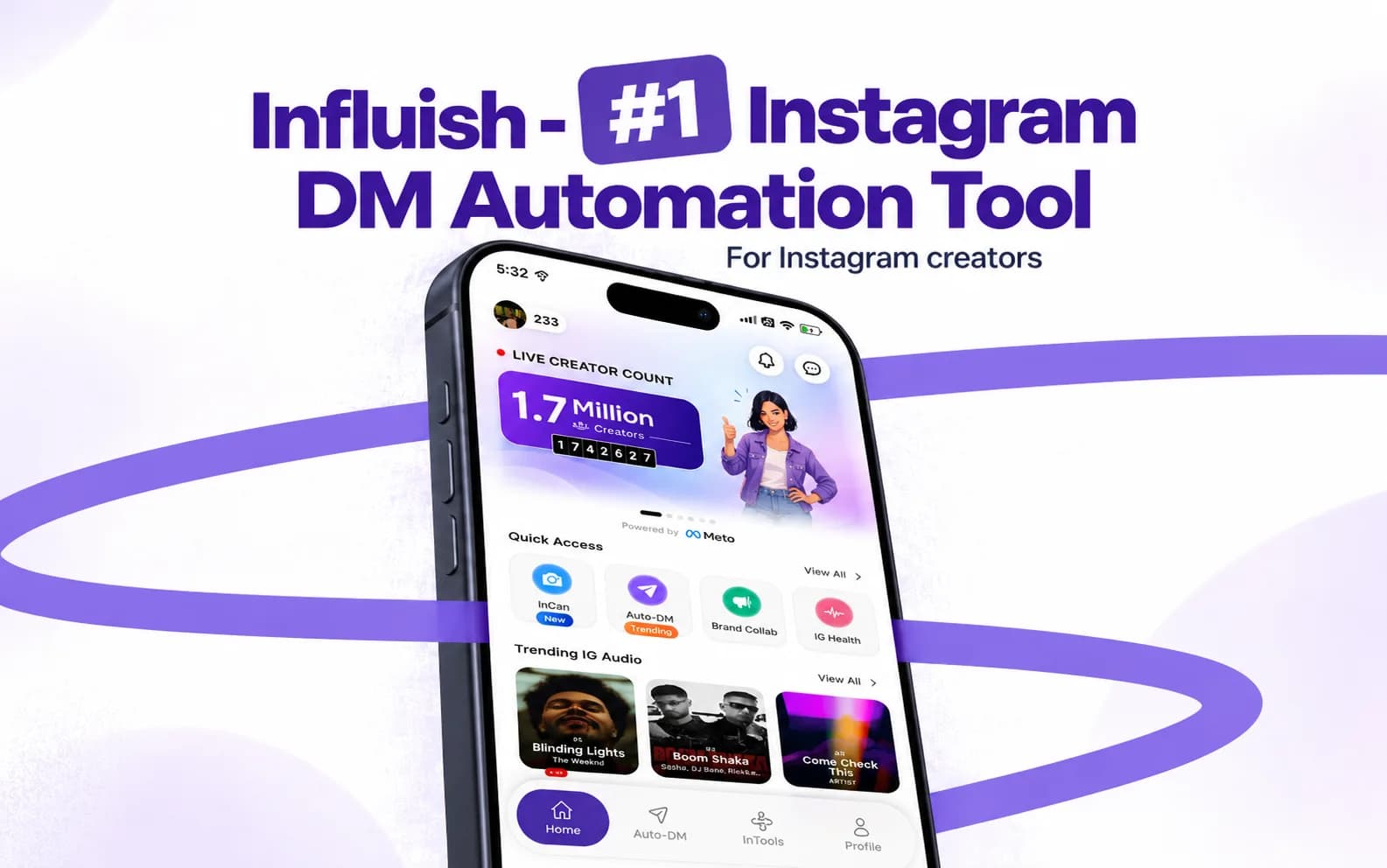
You can use Influish Auto-DM to automate Instagram direct messages and manage interactions more efficiently.
Step 5: Prepare Your Media Kit
Create a simple media kit containing your follower count, audience demographics, engagement metrics, content samples, and contact details.
Step 6: Find Brand Collaborations
Approach brands related to your niche and explore creator collaboration opportunities through Influish.
Influish helps creators discover brand opportunities and grow their influencer journey.
How Can Brands Find the Right Influencers?
Brands should evaluate creators beyond their follower numbers.
Key factors to consider:
- Audience relevance: Does the influencer reach your target customers?
- Engagement: Do followers actively interact with their content?
- Content quality: Is their content professional and authentic?
- Brand alignment: Do their values and niche match your product?
- Campaign budget: Does the collaboration offer reasonable value?
Which Influencer Should Your Brand Choose?
Marketing Goal | Recommended Type |
|---|---|
Local business promotion | Nano |
Niche product marketing | Micro |
Wider brand awareness | Macro |
Mass-market campaigns | Mega |
Advertising content | UGC Creator |
Brands can also explore Influish to connect with relevant creators for influencer marketing campaigns.
How to Approach Brands for Collaboration
Beginner influencers can reach out to brands through Instagram DMs or professional emails.
Sample Brand Collaboration DM
Hi [Brand Name]!
I'm [Your Name], a content creator in the [Niche] space.
I love your products and would be interested in creating engaging content for your brand.
I believe your products would connect well with my audience.
Would you be open to discussing a collaboration?
Thanks!
Tip: Personalize your pitch, highlight relevant content examples, and explain how the partnership benefits the brand.
Common Mistakes New Influencers Should Avoid
- Buying fake followers: Damages credibility and engagement quality.
- Choosing the wrong niche: Makes attracting a relevant audience difficult.
- Ignoring followers: Reduces opportunities to build trust.
- Promoting irrelevant products: Weakens audience confidence.
- Posting inconsistently: Makes sustainable audience growth harder.
- Not disclosing partnerships: Can violate advertising guidelines.
7-Day Action Plan for Aspiring Influencers
Day | Task |
|---|---|
Day 1 | Choose your content niche |
Day 2 | Optimize your Instagram profile |
Day 3 | Research successful creators |
Day 4 | Create two quality Reels |
Day 5 | Engage with followers |
Day 6 | Prepare your media kit |
Day 7 | Find and approach five brands |
Frequently Asked Questions
1. How many followers do you need to become an influencer?
There is no fixed minimum. Even smaller creators can influence niche audiences through valuable content and authentic engagement.
2. Can beginners earn money as influencers?
Yes. Beginners can explore UGC creation, affiliate marketing, barter collaborations, and paid partnerships.
3. How much do influencers earn in India?
Earnings vary based on follower count, niche, engagement, deliverables, and brand budgets. There is no guaranteed earning amount.
4. How can I find brands for collaboration?
Approach relevant brands directly, build your portfolio, and explore opportunities through influencer marketing platforms like Influish.
5. Do influencers need professional equipment?
No. Beginners can start with smartphones, natural lighting, and free editing applications.
6. What's the difference between an influencer and a brand ambassador?
Influencers may participate in individual campaigns, while brand ambassadors typically maintain longer-term relationships with specific brands.
Conclusion
An influencer isn't simply someone with thousands of followers. Successful influencers build trust, create valuable content, and connect businesses with relevant audiences.
For beginners, the journey starts with selecting a niche, creating consistent content, and developing meaningful relationships.
For brands, choosing the right influencer can improve awareness, credibility, and customer engagement.
Want to start your influencer journey? Explore brand collaborations and creator tools with Influish.